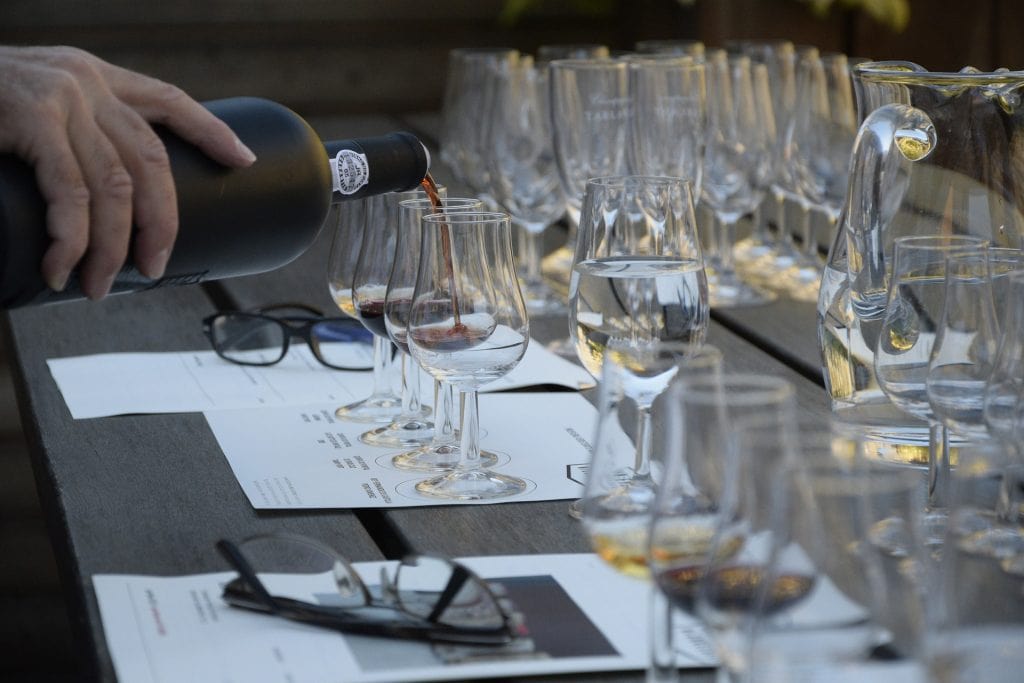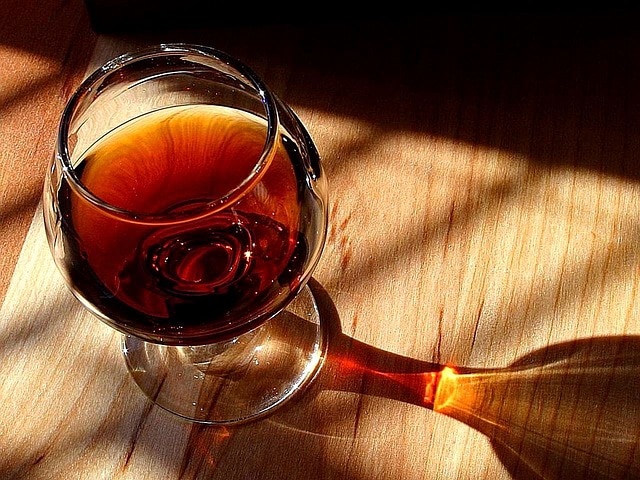
Tawny vs Ruby Port: Walking You Through The Basics Of Port Wines
Contents
- Main Differences Between Tawny and Ruby Port
- What Is A Port Wine?
- Different Port Wine Types
- Port Production
- Best Food Matches
- Taking A Closer Look At Tawny Port Wines
- Taste And Appearance
- Tawny And Aging
- Taking A Closer Look At Ruby Port Wines
- Taste And Appearance
- Ruby And Aging
- Frequently Asked Questions
- Identifying Key Differences Between Ruby And Tawny Port
- Can I substitute Tawny Port for Ruby Port?
- Is Vintage a Port Ruby or Tawny?
- Which is Better -- Tawny or Ruby Port?
- Key Takeaways
- Sources
I always love to drink occasionally, especially during holidays where most of us eat a lot of sweet stuff. It makes the perfect opportunity to have those sweet and fortified wines that I love the most.
Maybe you’ve also heard many discussions about which between Ruby vs. Tawny Port makes the better wine, haven’t you?
But…
To make better wine choices, you must have a more profound comprehension of your preferences. Know that the claims we often hear of people not being experienced enough in tasting wines are just a myth.
While there are people who know more about wine than you, there's no reason to be insecure with your wine tasting abilities. You have a unique palate just like everyone else, and nobody gets to know it better than you do.
So together, let's find out if you should be picking Tawny or Ruby Port wine, and once you do, you better trust your palate, okay?
Main Differences Between Tawny and Ruby Port
Now, let me tell you the difference between ruby and tawny port:
- Ruby Port wine has a deep red color, whereas Tawny Port wine has a rich amber hue.
- Ruby Port bursts with fruity, berry flavors, whereas Tawny Port has notes of nut, caramel, and exotic herbs or spices.
- Ruby Port spends only a few years in large vats before bottling, whereas Tawny Port ages in wood for years, and labeled Tawnies carry age indications of 10, 20, 30, or 40 years.
What Is A Port Wine?
Port takes its name from the city of Porto, where it was traditionally aged and shipped. It is a sweet, fortified wine from Portugal's Douro Valley. The wine has endless versatility, and it has rich flavors that allow you to mix it with cocktails or pair it with desserts easily.
A Port wine is usually a blend of grape varieties grown in the Douro Valley. Dozens of varieties are permitted, and the best known include Touriga Franca, Touriga Nacional, Tinta Roriz, Tinta Barroca, and Tinto Cão.
Different Port Wine Types
Learning more about Port wines will allow you to enjoy them more and will give you the best value for your money. Many people confuse Port and Sherry wines but there are distinct differences between the two.
Here are some of the Port Wine types you should know about:
Ruby Port
This port wine is the most affordable one you can get. Once opened, it stays in good condition for a few weeks.
Reserve Ruby Port
A premium Ruby Port made from a selection of richer, deeper wines. Like every Port category, it must be approved by the IVDP's tasting panel, the Câmara de Provadores, before it can carry the "Reserve" name.
Tawny Port
Tawny Port is made from the same grapes as Ruby. It ages longer in smaller oak casks, where slow oxidation gives it a lighter color with tones of brown and amber.
Reserve Tawny Port
A blend of Tawny Ports aged in wood for around seven years, with dried fruit and nutty aromas.
Crusted
A blend of Ports from more than one harvest, bottled without filtration. It must rest in the bottle for at least three years before sale, and it throws a sediment ("crust") that calls for decanting.
Late Bottled Vintage (LBV)
A Ruby-style Port from a single year, bottled after four to six years in wood. It is more intense and concentrated than a basic Ruby.
Single-Quinta Port (SQVP)
The SQVP is a vintage coming from a single vineyard.
Colheita
A Tawny Port from a single harvest year, aged in cask for at least seven years. As it ages, it takes on more nutty, dried fruit, and caramel aromas.
Rosé
This Port wine is the most recent variation. It is a fresh, smooth, and versatile Port with a pink shade and red berry flavors, best served chilled or in cocktails.
White Port
It came from white grapes, and you will often see this wine in different styles due to their varying aging time and sugar content. The unique combination of tonic water and White Port is famous during cocktails in Portugal.
Reserve White Port
A White Port aged in wood for approximately seven years.
Port Production
Port wines come from traditional grape varieties native to the Douro Valley. The grapes are harvested, crushed, and fermented on their skins for only a few days. Some producers still tread grapes by foot in shallow stone tanks called lagares, while many others use the autovinification process or modern stainless steel tanks to extract color and tannin quickly.
Midway through fermentation, winemakers add aguardente, a grape spirit. This stops the fermentation while plenty of natural grape sugar remains, which is why Port is sweet and strong, usually between 19% and 22% alcohol.
The young wines then age, either in the Douro or in the lodges of Vila Nova de Gaia across the river from Porto, before blending and bottling.
Best Food Matches
Port wines have extreme versatility in food pairing since they came from a wide range of grape varieties. It matches well with bold dishes and the following:
- Roasted meats
- Aged cheeses
- Soft cheeses such as brie
- Desserts such as fruit pies, dark chocolate truffles, pecan pies, and crème brûlée
- Olives and charcuterie
Taking A Closer Look At Tawny Port Wines
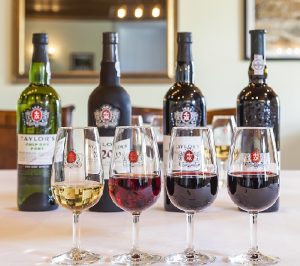
If someone is looking for a dessert substitute, the Tawny Port will most likely be a top recommendation. It is also popular as an aperitif in France. Better Tawnies carry either an age indication (10, 20, 30, or 40 years) or a harvest year (Colheita) on the label. They are aged in wood and come ready to drink.
Taste And Appearance
Due to years of oak aging, the wine has a deep amber hue with caramel and roasted nut flavors. It is sweet and usually served with dessert, cheese, or on its own after a meal.
Tawny And Aging
Tawny is usually a blend of wines from several different years. Basic Tawnies spend a few years in wood, Reserve Tawnies around seven, and the age-indicated Tawnies average 10 to 40 years.
10-Year-Old
A blend of wood-aged Ports that still shows lively fruit alongside nutty notes.
20-Year-Old
Fresh, delicate, and with varying colors depending on the house style.
30 and 40-Year-Old
30-year-old’s comes in a hue of orange to pale mahogany with notes close to a raisin or roasted coffee. Contrarily, the 40-year-old’s hue comes in amber to deep mahogany with notes of freshly roasted coffee and toasted almonds.
Taking A Closer Look At Ruby Port Wines

Ruby Port is a fresh fruity blend of vintages matured for two to three years maximum before being bottled. There are premium Ruby Ports aged in wood, and there are some aged in cement or stainless steel tanks to maintain their fruitiness and color.
It is one of the best-selling Port types that is usually more affordable except for those with Reserve or Special Reserve in the label. Ruby Port is best for beginners in Port wine-drinking because its flavor is less complicated than the others.
Taste And Appearance
It has a deep ruby color, which explains the name’s origin. It has fruity aromas and less intense tannins, which is why it is an excellent drink to have on a cold day with probably a slice of cheese.
Ruby And Aging
Most Ruby-style Ports are aged briefly in large vats and are ready to drink when bottled. Vintage Port is the exception: it is the only Port that ages mainly in the bottle, and it can improve for decades.
A Ruby Port can either be one of the following:
Ruby
The youngest of the three and aged for about three years at most. It is best to drink it while it's young.
Late Bottled Vintage (LBV)
You can enjoy this drink without the requirement of a long aging period.
Vintage
Made from the best grapes of a single, declared year. It spends about two years in wood, then develops complex flavors over many years in bottle.
Frequently Asked Questions
Identifying Key Differences Between Ruby And Tawny Port
Can I substitute Tawny Port for Ruby Port?
In most recipes you can, but expect a different result. Ruby Port adds deep color and fresh berry fruit, which suits red meat sauces and berry desserts. Tawny Port adds nutty, caramel notes that suit poultry, pork, and desserts with nuts or caramel.
Is Vintage a Port Ruby or Tawny?
Vintage Port is a Ruby-style Port made from a single, exceptional harvest year. A producer that thinks a year is good enough "declares" a vintage and submits samples to the IVDP for approval, and the year then appears on the label. Single-Quinta Vintage Ports also come from one estate, but standard Vintage Ports can blend grapes from several vineyards.
Which is Better -- Tawny or Ruby Port?
Neither is better; they suit different tastes. Choose Ruby if you like fresh, fruity berry flavors, and Tawny if you prefer nutty, caramel, and spice notes.
Key Takeaways
If you are a wine lover exploring the different dimensions of Port wines, you'd realize by this time that there is no simple definition to this famous wine. All of its styles are unique, and the best way to choose one of them will always be to do your experimentation and wine tasting.
May this article, together with your palate and vinous knowledge, serve as a helpful guide in making wine selection more convenient and enjoyable for you.
Sources
- Port Wines: Introduction, Instituto dos Vinhos do Douro e do Porto (IVDP)
- Port Wines: Special Categories, Instituto dos Vinhos do Douro e do Porto (IVDP)