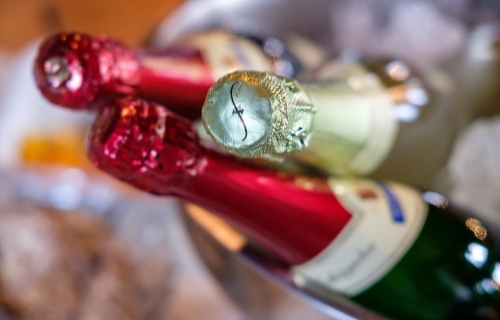
Brut vs Extra Dry Champagne: Understanding The Differences Like A Pro
Contents
- Main Differences Between Brut And Extra Dry
- All That I Need To Know About Brut Wines
- Brut Wine Defined
- Wine Regions And Their Proprietary Names
- Brut Wine Production
- Characteristics
- How To Store Brut Wines
- How To Serve Brut Wines And The Best Glass To Use
- Best Food Matches For Brut Wine
- All That I Need To Know About Extra Dry Wines
- Extra Dry Wine Defined
- Wine Regions
- Characteristics And Best Food Matches
- How To Store And Serve Extra Dry Wines
- Frequently Asked Questions
- Champagne Brut Vs Extra Dry - Which Is The Better Option
- Is Extra Dry Sweeter Than Brut?
- Is Brut Or Extra Dry Better For Mimosas?
- What Does Brut Mean?
- What Does Extra Dry Mean?
- Should I Go For Brut Or Extra Dry?
- Key Takeaways
- Sources
As the New Year celebration is fast approaching, I can imagine how most of us think about ending the year with a good bottle of wine. But as you plan for this monumental celebration, you might be having thoughts on going for extra dry vs. brut wine, and you still can't come up with a decision.
Then...
You realized that you couldn't decide because you are entirely clueless about how one of them varies from the other. If you're one of those stuck in that kind of decision-making, or even if you're just plain curious about the difference between brut and extra dry champagne, then you are absolutely on the right page.
Let's deep dive into the fascinating world of these two wines. And remember, whether you go for brut or extra dry, a more profound understanding of what makes each of them unique will allow us to enjoy our choices more.
Main Differences Between Brut And Extra Dry
The main differences between Brut and Extra Dry are:
- Brut is the drier style, with less than 12 grams of sugar per liter, whereas Extra Dry is slightly sweeter, with 12 to 17 grams.
- Brut tastes crisp and tart, whereas Extra Dry tastes a touch softer because the extra sugar balances the acidity.
- Brut is a classic aperitif before meals, whereas Extra Dry is a friendly pick for brunch, fruit, and lightly sweet dishes.
All That I Need To Know About Brut Wines
Brut Wine Defined
One of the things that we need to know first and foremost is that Champagne is a place, not a grape. It is a large area with small towns that produce the same kind of wine. Champagne is a unique region because it is one of the most northerly wine regions in France, with a cool climate.
Brut is a type of sparkling wine and one with the driest, crispest styles out there. It originates from the Champagne region of northern France, which explains why the word itself has a French origin that means "raw." Brut champagne or dry sparkling wine is the most famous champagne type today.
However, to help clarify some label confusion, it would be best to note that winemakers refer to brut wine as the wine style rather than referring to a particular variety. Most champagnes and sparkling wines on the shelf are brut, which means they contain only a small amount of sugar, keeping them dry and sharp.
Wine Regions And Their Proprietary Names
Sparkling wines are unquestionably highly valued worldwide. Although champagne is a sparkling wine, only sparkling wines that came from the region of Champagne are what most wine consumers label as a "champagne."
Some sparkling wines nowadays came from different regions, and to enhance their own identities, each of them has its specific proprietary names. Here are some proprietary names you can take note of:
- Cava - The sparkling wine that came from Catalonia, Spain
- Asti - The sweet sparkling wine made from Moscato grapes in Piedmont, Northern Italy
- Sekt - A popular sparkler in Germany and Austria
- Prosecco - The sparkling wine made from Glera grapes in Veneto and Friuli, Northern Italy
In all these regions, they make sparkling wines from regionally native grapes. Those who lack proprietary names use ‘sparkling wines’ as a generic term without reference to a particular quality level or geographic designation.
For so many years, French wine producers have fought to maintain their proprietary name and keep it geographically delimited. For this reason, it is under European Union Law that wine producers can only label their wines as Champagne if they use grapes that came specifically from that region.
Brut Wine Production
The winemakers' traditional way of producing the base wine is similar to making any other wine. After bottling the wines, they go through the second fermentation, where the sparkling wine gets its carbonation.
The sweetness level comes later, from the dosage added after the yeast sediment is removed. For a brut, winemakers add only a little, keeping the wine under 12 grams of sugar per liter.
The winemakers age non-vintage champagne for at least fifteen months, and vintage ones for at least three years. There are caves in most champagne houses where they utilize hand or machine rotation in aging their wines.
Characteristics
By this time, we already know that brut is a term we use to refer to a wine’s sweetness level, so in reality, its taste would vary from one wine to another. Although generally, brut wine has this certain sharp and crisp mouthfeel. It is dry but shows a tinge of sweetness.
How To Store Brut Wines
It is imperative to store a brut wine in the same way you would keep other wines, preferably in cool and humid storage conditions. Keeping it cool is essential to minimize the risk of corks shooting off or bottles bursting because they contain wine under pressure.
How To Serve Brut Wines And The Best Glass To Use
Chill the wine horizontally in ice water for 30 minutes or at least three hours in the refrigerator. You may also choose to purchase an ice bucket or get innovative by converting your sink into one.
Contrary to most people’s belief, serving champagne in slender, flute-shaped glasses will hinder you from appreciating the wine's aroma properly. The best glass type to use for your champagne should have a broader middle with a narrowed-top design.
This glass type lets you enjoy more of the wine’s fragrance, and its narrower top helps hold in the bubbles and aromas. Between pours, keep the bottle in an ice bucket so it stays cold.
Best Food Matches For Brut Wine
One of the great things about a brut wine is that you can easily pair it with a range of foods that complement its dryness. A brut wine makes an excellent pair with cheese and buttery meals because it can cut through fats like a knife.
It has the appropriate amount of acidity that helps in balancing fatty or salty meals. Here are some of the other foods that perfectly match your brut wine:
- Steak
- White truffle
- Fried potatoes
- Fried chicken
- Ham and Swiss quiche
- Smoked salmon
All That I Need To Know About Extra Dry Wines
Extra Dry Wine Defined
You refer to a wine as Extra Dry depending on its sweetness level. Despite the presence of the words “extra” and “dry,” the truth is, this wine might seem odd for its name because it is not the driest wine you can find out there. The wines bearing extra dry in their labels are sweeter than brut. For every liter, it approximately has 12 to 17 grams of sugar content.
Here are the main sweetness categories, from driest to sweetest (Brut Nature, with less than 3 grams per liter, sits below them all):
- Extra Brut - Very dry on the palate, with 0 to 6 grams of sugar per liter.
- Brut - This is the most famous type of champagne, with less than 12 grams of sugar per liter; it tastes crisp and fruity with little sweetness
- Extra Dry - This wine has a deceptive name because it is sweeter than brut, with 12 to 17 grams of sugar per liter. It is perfect for happy hour buffets.
- Dry (Sec) - Sweeter than extra dry, with 17 to 32 grams of sugar per liter.
- Semi-Dry (Demi-Sec) - These wines are on the champagne spectrum’s sweeter end with 32 to 50 grams of sugar for every liter.
- Doux - The sweetest of all champagnes containing 50 or more grams of sugar per liter.
Wine Regions
Using the Glera grape in the northeastern regions of Veneto and Friuli, Italy makes Prosecco, while Asti comes from Moscato grapes in Piedmont. From indigenous red grapes in the northern part of Emilia-Romagna is Lambrusco, Spain also has Cava, the United States, Canada, Australia, and Germany are famous for its excellent sparkling wines.
Traditional-method wines like Champagne and Cava undergo their second fermentation in the bottle, while most Prosecco gets its bubbles in large pressurized tanks. Outside Europe, sparkling wine rules are usually looser, so producers have more freedom in the grapes they use and how long they age their wines.
Characteristics And Best Food Matches
An extra dry wine, as previously mentioned, is not as dry as its name suggests. It is slightly sweet with acidic freshness and a soft, fruity taste, which is why it has a wide range of accompaniment possibilities. Extra dry wines make a perfect match for the following:
- White meats
- Delicate dishes
- Lobster
- Roast chicken
- Savory hors d’oeuvres
- Pasta
- Fish
- Fruits and nuts
How To Store And Serve Extra Dry Wines
To say that a wine is a brut or extra dry is dependent on its sweetness level. For this reason, you can store and serve extra dry wine in the same way you would do it for any other wine.
Taste Test: Learn more about champagne and its shelf life by going here -- Does Champagne Go Bad? Shelf Life Of Champagne Explained.
Frequently Asked Questions

Champagne Brut Vs Extra Dry - Which Is The Better Option
Is Extra Dry Sweeter Than Brut?
Yes. Despite its odd name, “Extra Dry,” which leads to most wine consumers’ confusion, this wine sits in the middle of the champagne sweetness scale. Extra dry is indeed sweeter than brut.
Is Brut Or Extra Dry Better For Mimosas?
This question mostly comes up during holidays. Since Christmas and New Year celebrations are just around the corner, Mimosa, for the sake of amateur wine lovers, is a mixture of orange juice and sparkling wine. Although some people nowadays use different types of juices like pomegranate or grapefruit to make a mimosa.
In general, brut wines are best for mimosas. Orange juice already has a lot of sugar content, so opting for brut champagne is an ideal way to strike a balance between the fruit juice of your choice.
What Does Brut Mean?
Brut means dry, with less than 12 grams of sugar per liter, so any sweetness is faint. It is the most prevalent sparkling wine style you can find in liquor stores.
What Does Extra Dry Mean?
It is a sparkling wine sweetness category with 12 to 17 grams of sugar per liter, or roughly 1.2% to 1.7%. The term applies to sparkling wines such as Champagne and Prosecco, not to still wines.
Should I Go For Brut Or Extra Dry?

Choosing either brut or extra dry can be tricky, but it would help a great deal to base your decision on the following:
- Do you have a sweet tooth and prefer sweeter wine over dry?
- What is the occasion, and what food do you plan to prepare for it?
These things are crucial in picking the best wine for you.
Now that you know these wines’ characteristics, it is up to you to discover the one that is most suitable for your taste and your guests. The food pairing method is also another thing to consider, so make sure to choose a wine that will complement the dishes you plan to serve.
Champagne or sparkling wines are crowd favorites for any celebration, so you can also include that during decision-making. Brut is a safe bet for a formal setting, while extra dry sparkling wine will do wonders for a more casual gathering.
Finally, have a price range ready of how much you are willing to spend for your preferred wine. The best brut wines come with a hefty price tag. Try to stay away from making spontaneous purchases. Decide on what you want and make sure that you stick to your plan.
Key Takeaways
It can be overwhelming to understand the world of wines and how each of them differs from others. This article only featured a basic primer on what brut and extra dry wines are, but I hope it gave you valuable insight into differentiating one from the other.
Doing some research is crucial to ensure that you have the knowledge to make the right choice and the best one. It might be a daunting, confusing thing to do if you’re wine shopping as a beginner, but it can also be an enriching experience for you.
By the time you finish reading this article, you will no longer be clueless on your next visit to the winery or the liquor store. You already have a more profound comprehension when reading the wine labels, and you would no longer struggle to choose the most suitable wine for the upcoming festivities.
Sources
- Champagne Frequently Asked Questions, Comité Champagne
- How Champagne Is Made, Comité Champagne